Understanding the Driving License: A Comprehensive Guide
A driving license is an essential document for people who want to operate an automobile legally. This guide aims to provide an in-depth understanding of the driving license, including its types, requirements, application procedures, and the significance it keeps in today's busy society.
What is a Driving License?
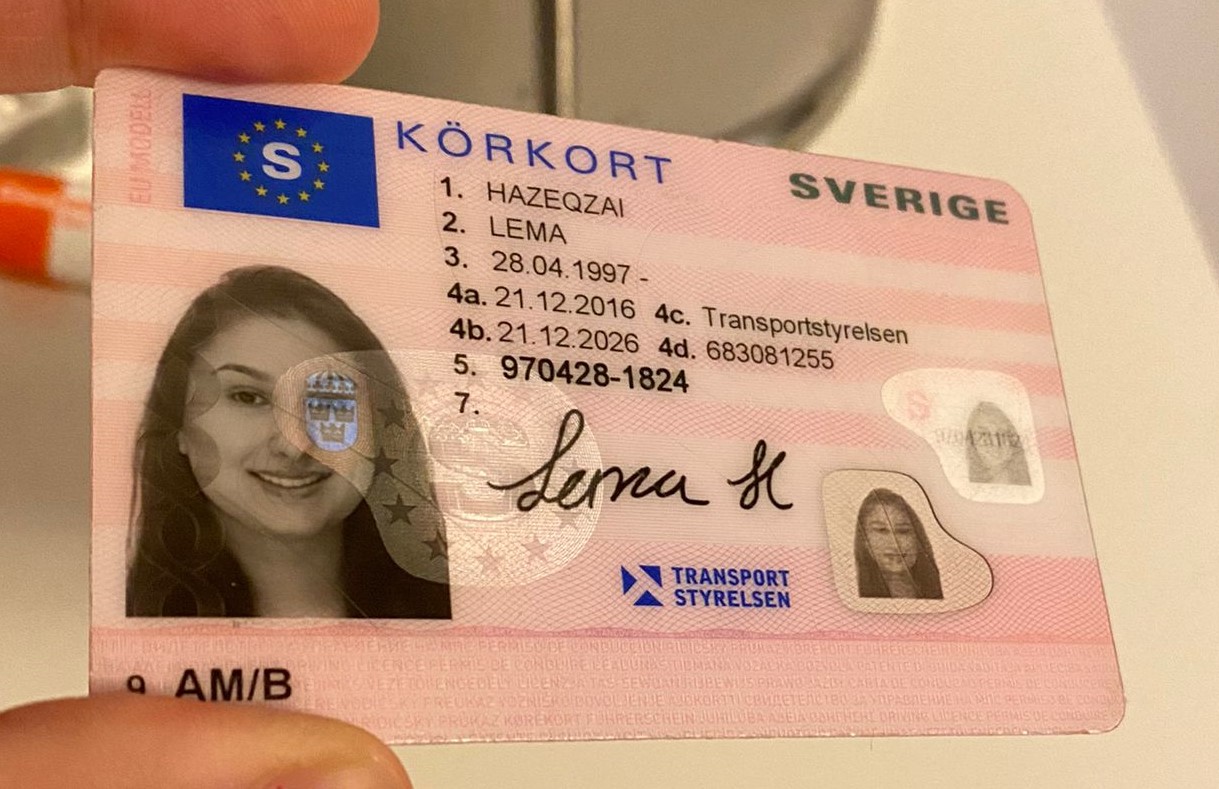
A driving license is a government-issued file that licenses a private to drive a motor vehicle on public roadways. This license is important not just for adherence to the law but likewise as a step of competency to guarantee that motorists possess the required abilities to run an automobile securely.
Kinds Of Driving Licenses
Driving licenses vary by jurisdiction, and they can be classified into numerous types. Here's a breakdown:
| License Type | Description |
|---|---|
| Learner's Permit | A provisional license enabling brand-new chauffeurs to practice under specific conditions. |
| Full License | A basic motorist's license allowing the holder to run most kinds of lorries without constraints. |
| Business License | Necessary for individuals wishing to run industrial trucks or buses. |
| Motorbike License | Specially designated for operating motorbikes and motorbikes. |
| International Permit | Allows individuals to drive in foreign nations, offered they have a legitimate nationwide license. |
Why is a Driving License Important?
Holding a valid driving license has numerous benefits:
- Legal Requirement: It is a legal requirement to drive on public roadways.
- Safety Assurance: A driving license ensures that the chauffeur has undergone essential training and evaluations to run a vehicle safely.
- Identification: It acts as an official type of identification, often needed for different services.
- Insurance coverage Compliance: Many vehicle insurer need valid driving licenses as one of the conditions for issuing a policy.
- Work Opportunities: Certain tasks need workers to have a valid driving license, especially those involving transportation.
How to Obtain a Driving License
The process of obtaining a driving license typically involves a number of steps, which can vary by area. Below is a basic overview of the steps to follow:
- Eligibility Check: Most jurisdictions have age and residency requirements.
- Written Test: Applicants usually should pass a written exam covering the guidelines of the road.
- Vision Test: A vision assessment may be required to ensure the applicant can see well sufficient to drive securely.
- Practical Driving Test: New chauffeurs must show their driving skills in a dry run.
- Application Submission: Complete the necessary types and submit the necessary documentation, including evidence of identity and residency.
- Payment of Fees: Pay any involved costs for the application procedure.
- Waiting Period: Some regions have a probationary duration throughout which a learner's license must be held before a complete license is issued.
Typical Requirements for Application
- Proof of identity (e.g., birth certificate, passport)
- Social Security number or equivalent identification
- Proof of residency (e.g., utility expenses, rental contracts)
- Completion of a chauffeur's education course (if relevant)
Tables: A Comparative Look at Driving License Categories
The following table highlights distinctions in requirements and functions of numerous kinds of driving licenses:
| Type of License | Age Requirement | Evaluating Requirements | Limitations |
|---|---|---|---|
| Learner's Permit | Varies, generally 15-16 | Composed, vision | Needs a certified adult in the car |
| Complete License | Usually 18+ | Written, vision, useful | None (unless particular endorsements apply) |
| Commercial License | Typically 18+ | Written, vision, useful, additional tests | Restricted to commercial lorries just |
| Bike License | Varies, typically 16 | Composed, vision, practical | Normally limited to bikes just |
| International Permit | 18+ | Valid national license required | Valid in countries that acknowledge it |
Frequently Asked Questions About Driving Licenses
1. For how long does it take to get a driving license?
The timeline differs by area and specific scenarios, but a simple process that consists of taking a course and completing tests may take numerous weeks to a couple of months.
2. What should I do if I lose my driving license?
In case of loss, report the occurrence to local authorities and request a replacement through the appropriate automobile department.
3. Can I utilize an international driving authorization in my home nation?
A lot of nations require a valid nationwide license, and an international driving permit is planned for use abroad. Constantly check regional laws.
4. Exist specific laws for drivers under 18?
Yes, many locations have graduated licensing laws that impose restrictions on younger chauffeurs, such as passenger limitations and nighttime curfews.
5. What occurs if I get caught driving without a license?
Driving without a valid license can result in fines, lorry impoundment, and even legal charges, depending upon regional laws.
In conclusion, getting a driving license is a significant milestone for many individuals. click the next post requires a structured procedure designed to make sure safety and legality on the roads. Comprehending the types, value, and application processes can empower possible drivers to navigate their licensing journey with confidence. Whether for personal usage or professional functions, a driving license is a valuable asset in the modern world.